Espresso Machines for Home Coffee Brewing
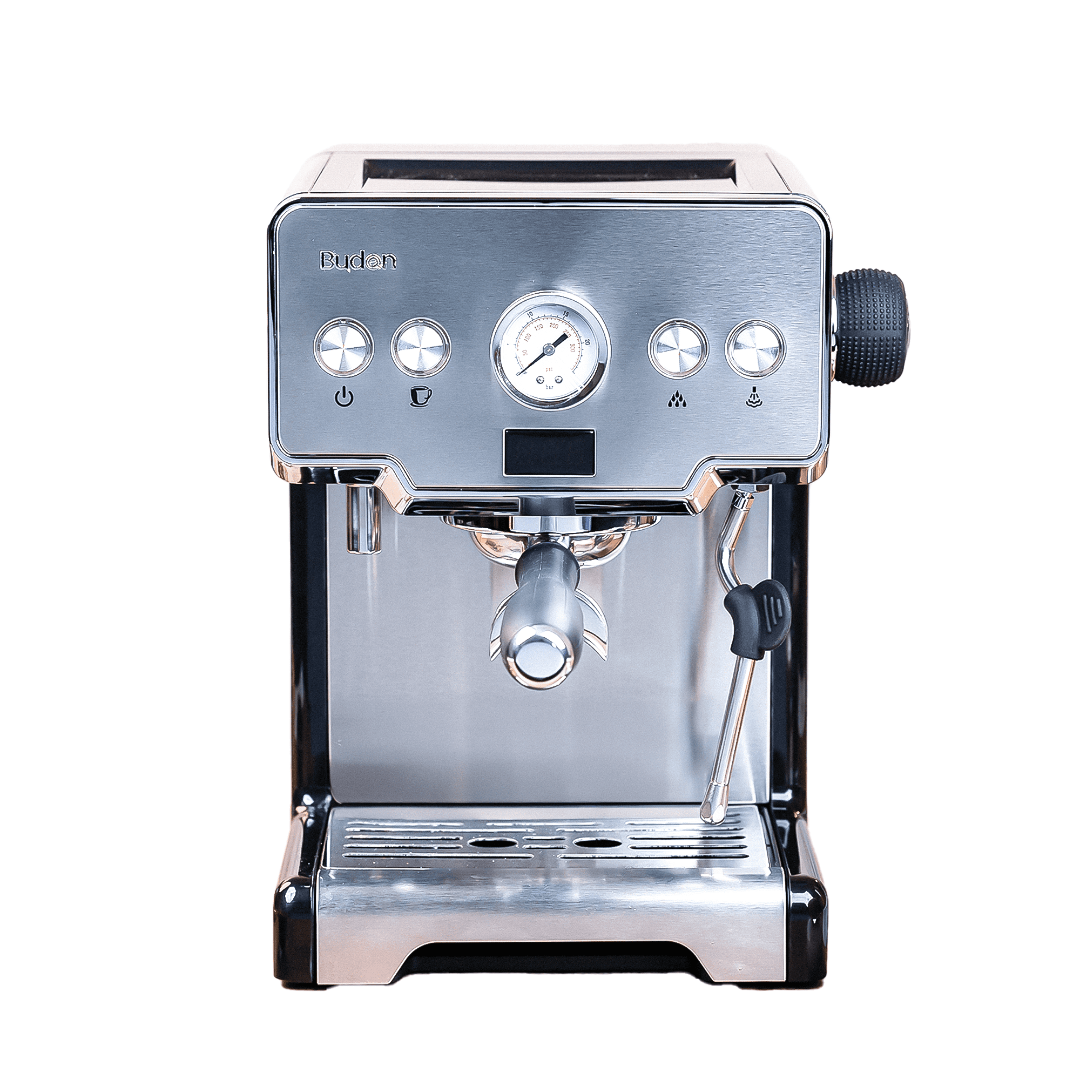
An espresso machine lets you prepare concentrated, café-style coffee at home by forcing hot water through finely ground coffee under pressure. From a straight espresso to milk-based drinks such as cappuccino, latte and flat white, the right espresso coffee machine gives you greater control over how your coffee tastes and how it is prepared.
Whether you are buying your first home espresso machine or upgrading to a more advanced setup, the best choice depends on how much control you want, how often you brew and the type of coffee you enjoy.
Explore espresso machines for different experience levels and brewing preferences at Something's Brewing, along with the grinders, coffee beans and accessories needed to complete your home coffee setup.
What Is an Espresso Machine?
An espresso machine is designed to brew a concentrated shot of coffee by passing heated water through finely ground coffee at pressure. Unlike filter or immersion brewing methods, espresso uses a relatively small amount of water and a short extraction time to produce a rich, concentrated beverage.
Espresso is also the base for several popular coffee drinks, including:
- Americano
- Cappuccino
- Café latte
- Flat white
- Macchiato
- Mocha
The quality of espresso depends on several factors, including coffee freshness, grind size, dose, water temperature and extraction.
Types of Espresso Machines
Understanding the main types of espresso machines can make it easier to choose the right setup.
Semi Automatic Espresso Machines
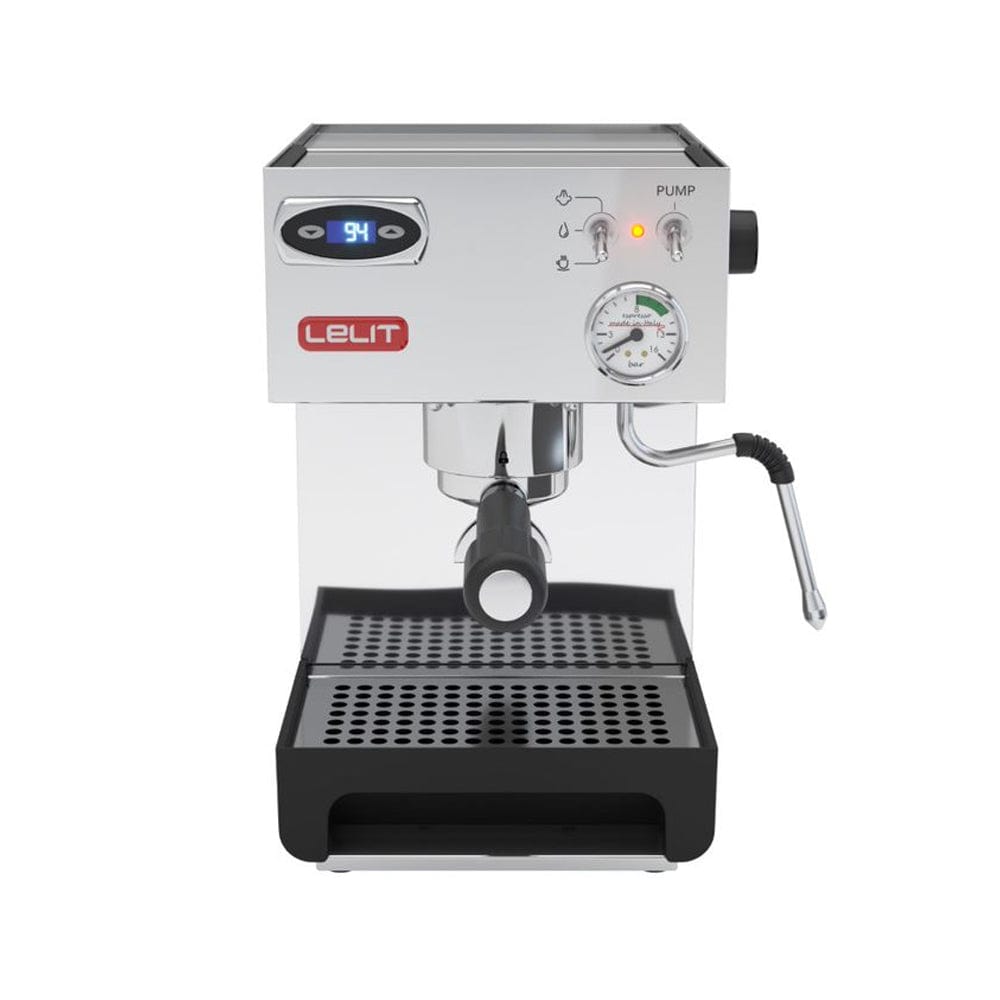
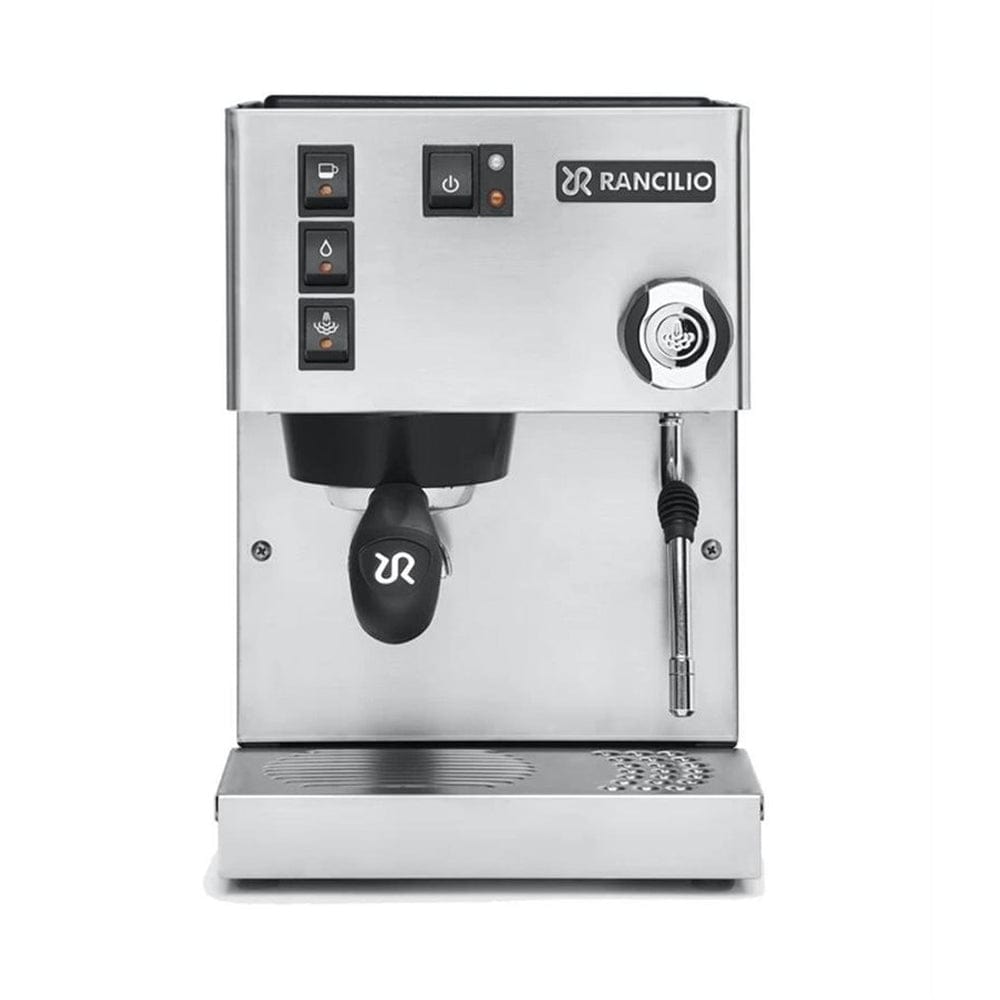
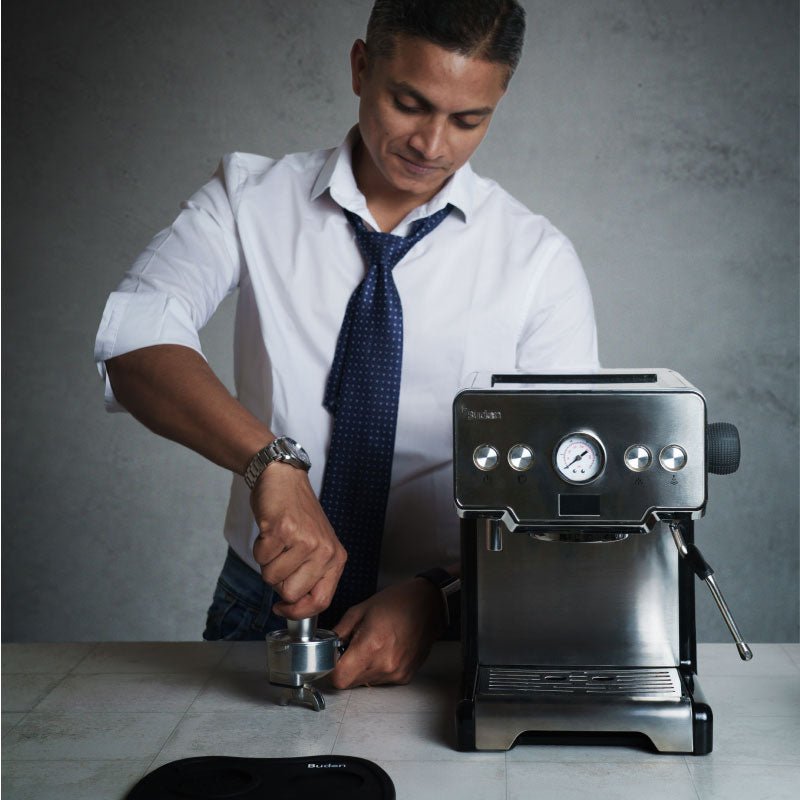
A semi automatic espresso machine gives you more control over the brewing process. You typically grind the coffee, measure the dose, prepare the portafilter and start or stop the extraction yourself.
This style is well suited to coffee enthusiasts who want to learn espresso preparation and adjust variables according to their preferred beans and recipe.
Explore the dedicated range of semi automatic espresso machines if you want greater control over your espresso.
Fully Automatic Coffee Machines
A fully automatic machine focuses more on convenience. Depending on the model, it can grind the beans, dose the coffee, brew espresso and prepare milk-based drinks with minimal manual input.
If convenience is your priority, explore fully automatic coffee machines separately to compare the two brewing styles.
How to Choose an Espresso Machine
The right espresso machine depends on more than the number of features it offers. Start by considering how you plan to use it.
Consider Your Experience Level
If you are new to espresso, choose a machine with straightforward controls and an easy-to-understand workflow.
More experienced home baristas may prefer greater control over temperature, extraction and steaming, particularly when using different coffee beans or recipes.
Think About the Coffee You Drink Most
If you mainly drink espresso or Americano, focus on brewing performance and temperature stability.
If you frequently prepare cappuccinos, lattes or flat whites, steam performance and ease of milk frothing become more important.
Consider How Many Coffees You Make
A machine used for one or two drinks at a time has different requirements from a setup used to prepare several milk-based coffees back-to-back.
Consider water tank capacity, heating system and workflow based on how often you expect to use the machine.
Check the Space Available
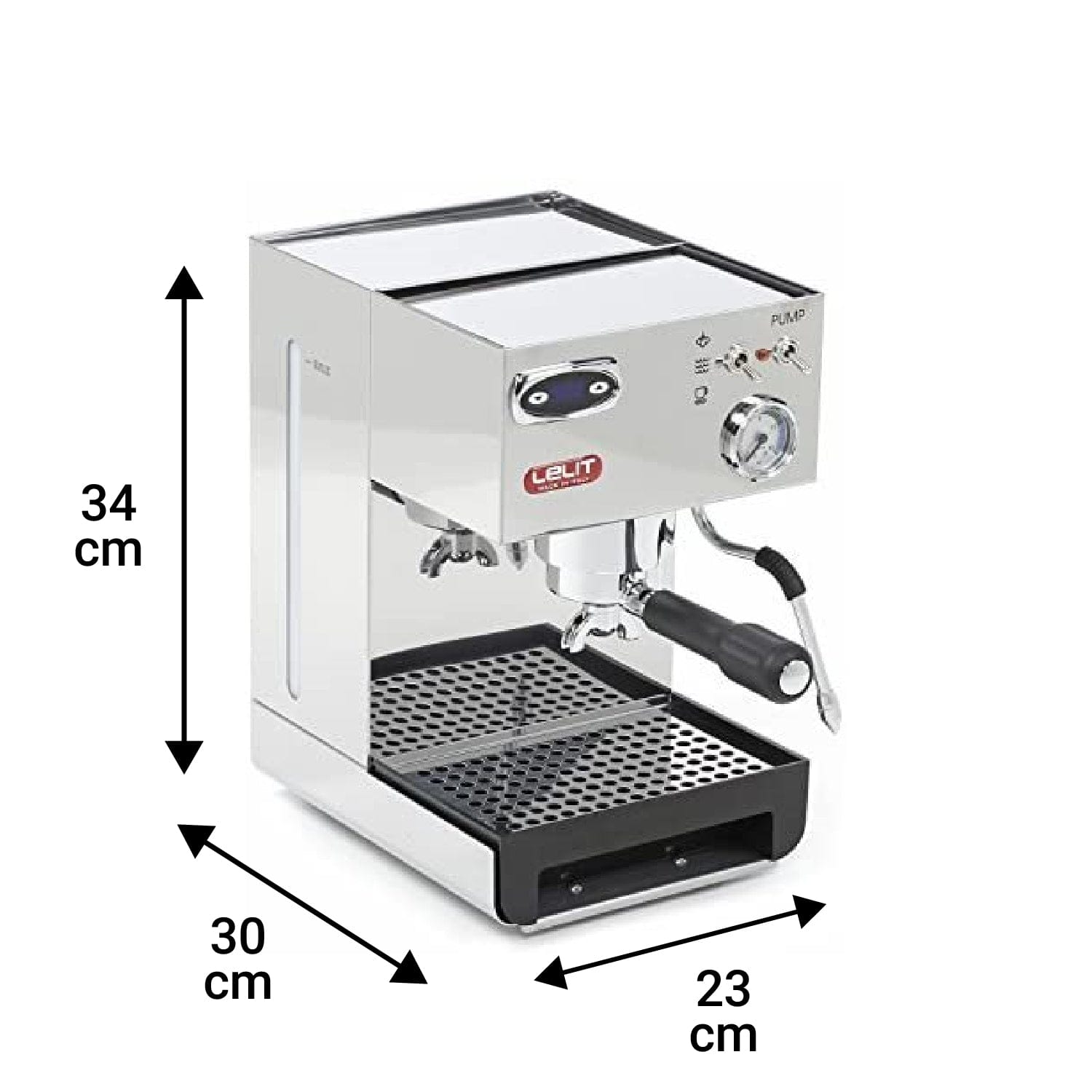
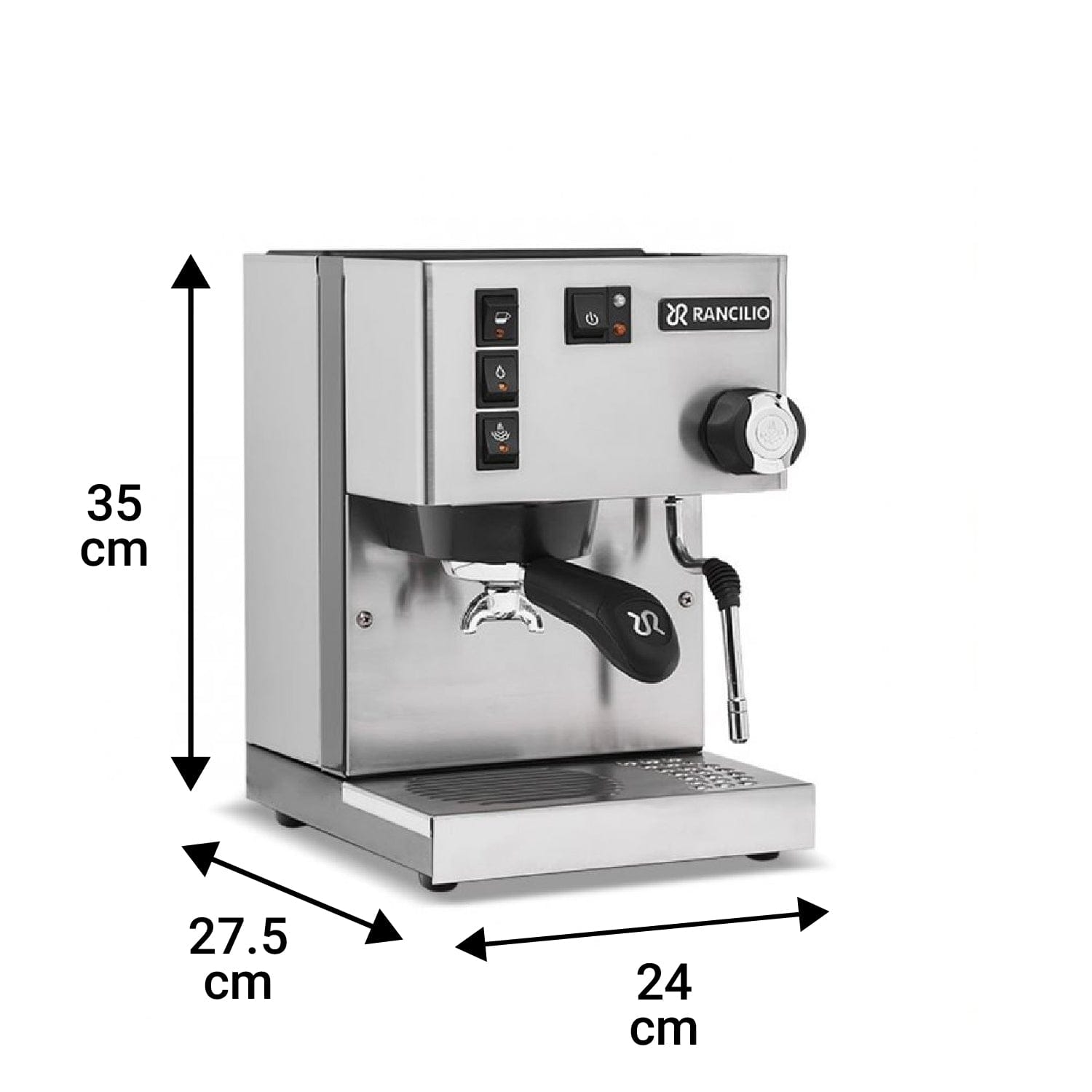
Espresso machines vary considerably in width, height and depth. Measure your available counter space and remember to leave room for filling the water tank, accessing the bean grinder and using the portafilter.
Important Features to Look for in an Espresso Machine
Temperature Control
Stable brewing temperature helps make espresso extraction more repeatable. Some machines offer systems such as PID temperature control, while others manage temperature automatically through their internal heating design.
Heating System
Espresso machines may use thermoblocks, single boilers, heat exchangers or dual-boiler systems.
Different designs affect warm-up time and how easily the machine can switch between brewing espresso and steaming milk.
Steam Wand
If you regularly prepare milk-based coffee, look for a steam wand that provides sufficient control for heating and texturing milk.
Steam performance can be particularly important if you want to prepare microfoam for cappuccinos, flat whites or latte art.
Portafilter Size
Portafilter size varies between machines. The size itself does not automatically determine coffee quality, but it affects compatibility with baskets and accessories.
Check the specifications of the individual espresso machine before purchasing additional portafilters, baskets or tampers.
Water Tank Capacity
A larger water tank can reduce how often the machine needs refilling, while a smaller removable tank may be easier to handle in compact kitchens.
Choose based on your available space and expected daily usage.
Why the Coffee Grinder Matters for Espresso
An espresso machine is only one part of an espresso setup. Grind size has a major influence on how quickly water passes through the coffee and how the espresso tastes.
Espresso requires a grinder capable of making fine and controlled adjustments. If the grind is too coarse, water may pass through the coffee too quickly. If it is too fine, extraction may become excessively slow.
For this reason, pairing your machine with a suitable electric coffee grinder can make it easier to adjust and repeat your espresso recipe.
Choosing Coffee Beans for Espresso
You can make espresso with a wide range of coffee beans. The ideal choice depends on the flavour profile you prefer rather than one specific roast level.
Medium and darker roasts often produce fuller-bodied espresso with chocolatey, nutty or caramel-like notes, while lighter roasts can produce brighter acidity and more fruit-forward flavours.
Using freshly roasted coffee beans and grinding them shortly before brewing can help preserve more aroma and flavour.
Espresso Machine for Beginners vs Experienced Home Baristas
Beginners usually benefit from a machine that makes the brewing workflow straightforward while still allowing them to learn basic espresso preparation.
As you gain experience, you may want more control over variables such as grind size, dose, temperature and extraction time.
Advanced home espresso machines can provide additional control, but more settings do not automatically mean better coffee. The right machine is the one that matches how much involvement you want in the brewing process.
Espresso Machine vs Fully Automatic Coffee Machine
The main difference is the level of manual control.
With a semi automatic espresso machine, you are involved in preparing the coffee and controlling more of the brewing process. This provides greater flexibility but requires some practice.
A fully automatic coffee machine prioritises convenience by automating more of the preparation process.
Choose an espresso machine if you enjoy learning and adjusting the brewing process. Choose a fully automatic machine if you want coffee prepared with minimal manual effort.
Setting Up a Home Espresso Station
A complete home espresso setup does not need to be complicated. The essential equipment usually includes an espresso machine, suitable coffee grinder and fresh coffee beans.
Useful accessories may include:
- Coffee scale
- Tamper
- Milk pitcher
- Knock box
- Dosing tools
- Cleaning brush
- Espresso cups
Start with the equipment needed for consistent brewing and add accessories as your routine develops.
Maintaining an Espresso Machine
Regular maintenance helps keep an espresso machine performing consistently.
Empty and clean the drip tray, wipe the steam wand after milk preparation and follow the manufacturer's instructions for cleaning the group head and other removable parts.
Backflushing, descaling and filter replacement requirements differ by machine and water quality, so follow the maintenance schedule provided for your specific model rather than relying on one universal interval.